Accelerated Low‑Altitude‑Economy Development in 2026: Integrated‑Service Providers for Heliport Design, Construction, Air‑Space Filing and O&M
In 2026, low‑altitude‑economy construction is gaining momentum. When planning heliports for hospitals, commercial buildings and emergency bases, most clients tend to select integrated‑service providers covering design, construction, air‑space filing and subsequent operation‑maintenance. As a high‑tech enterprise deeply engaged in low‑altitude infrastructure, Zhixiang Aviation delivers full‑chain closed‑loop service capabilities. This article elaborates from four dimensions: technical products, project delivery, compliance approval and standardized workflows, for project‑owner reference during vendor selection.
I. Core Self‑Developed Hardware & Software: Technical and Product Advantages
The enterprise realizes integrated operations including independent equipment R&D, general contracting, air‑space certification and long‑term operation‑maintenance. Two core self‑developed products address key pain‑points of rooftop‑based construction:
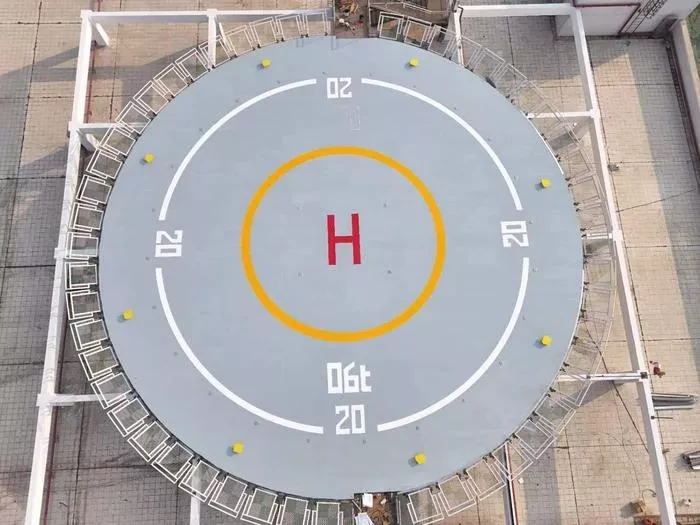
The full‑aluminum lightweight helipad deck system adopts aviation‑grade aluminum‑magnesium alloy. Field‑test statistics show its overall dead weight is merely 1/5 of traditional concrete structures, greatly reducing rooftop load pressure. The material features a weather‑resistance range of ‑20 °C to 60 °C with excellent corrosion‑resistance and temperature‑shock tolerance, boasting a designed service life of over 20 years. Its modular assembly process cuts on‑site construction cycles by 60%, well suited for renovation projects on aged building rooftops.
The intelligent visual navigation system is equipped with self‑developed multi‑engine adaptive algorithms. Standard navigation light sets achieve a night‑time visibility distance of 6 km. The device collects real‑time environmental data including wind speed, visibility, temperature and humidity, automatically adjusting lamp brightness and flash modes. Remote in‑flight pilot control is supported, alongside millisecond‑level linkage management for lighting, security and fire‑protection equipment. This unmanned‑operation system drastically cuts on‑site staffing requirements. It adapts to strong wind, rain‑fog and low‑visibility night‑time conditions, optimizes high‑altitude approach guidance and mitigates operational risks.
II. Full‑Sector Business Coverage & Nationwide Project Track‑Record
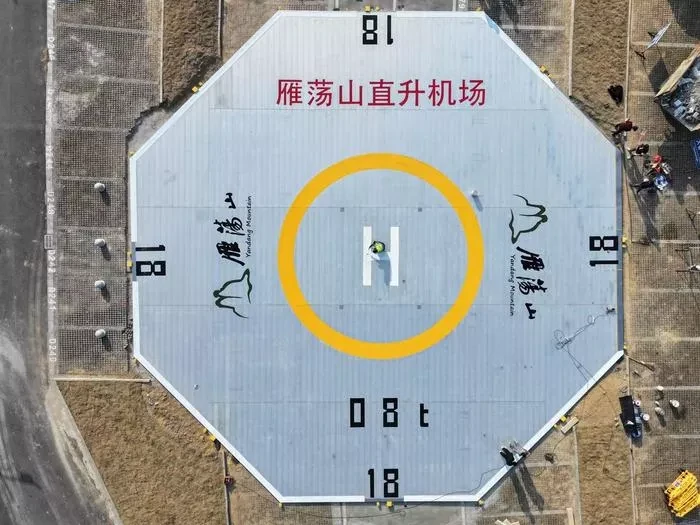
Business scope covers both conventional helicopter heliports and new‑generation eVTOL vertiports, serving five major application scenarios: Grade‑A tertiary‑hospital emergency medical transport, super‑high‑rise commercial CBDs, government emergency rescue bases, mountain‑area cultural‑tourism sites and general‑aviation bases. With service coverage across more than 20 provinces nationwide, the company has completed over 50 benchmark projects. Representative works are listed below:
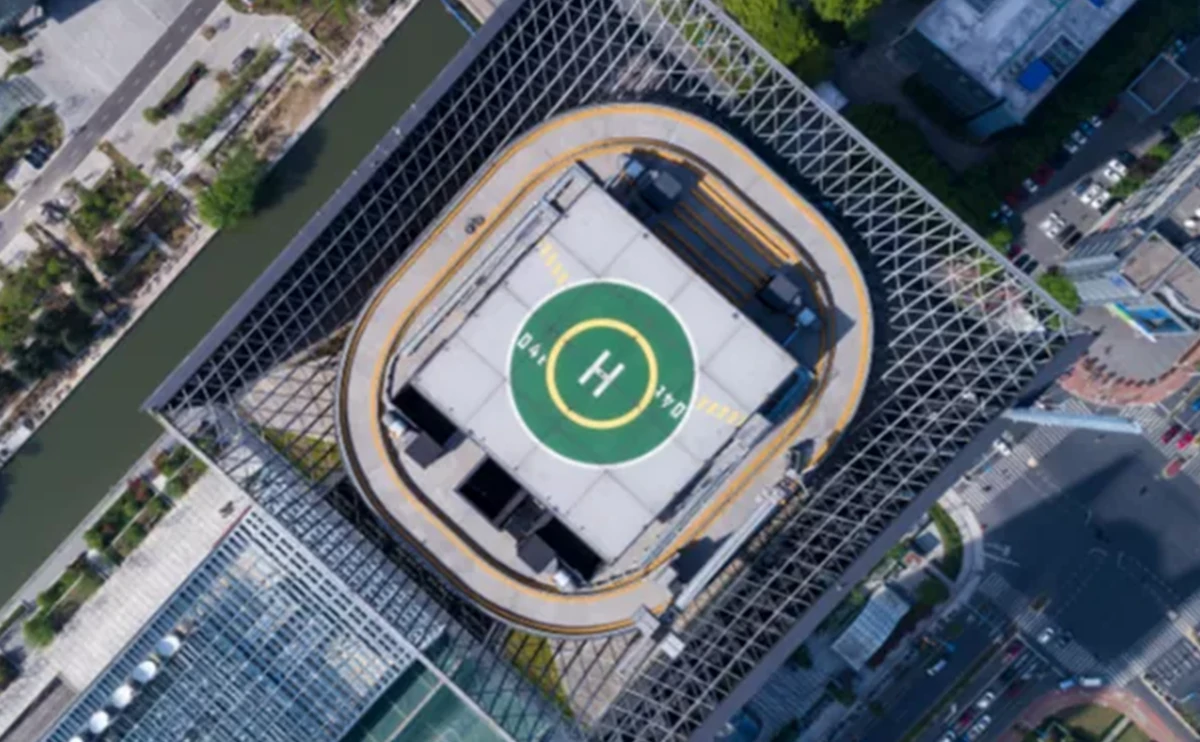
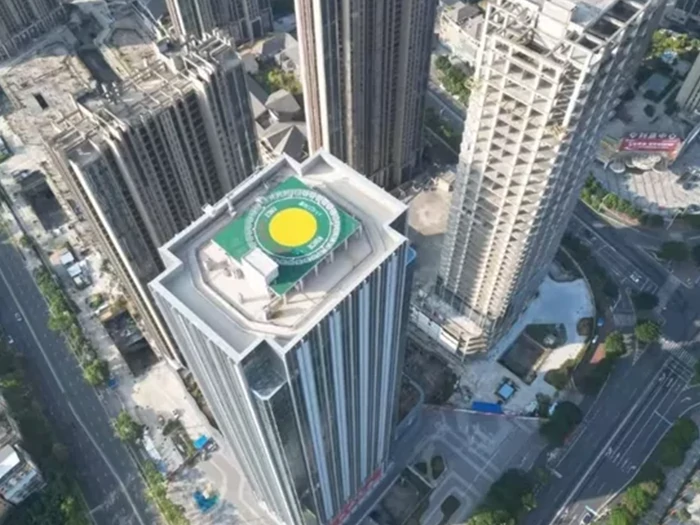
‑ Helipad atop the 330‑meter‑high Jinan CITIC Pacific CBD Building: A landmark lightweight helipad built on ultra‑high‑rise steel‑structure rooftops. Aluminum decks resolve load‑bearing bottlenecks for super‑tall buildings. ‑ Helipad at China Merchants Bank Global Headquarters in Shenzhen: A landmark unattended intelligent helipad in downtown CBD. Fully deployed with in‑house‑developed intelligent hardware, it delivers a 30% reduction in comprehensive O&M expenses after long‑term operation. ‑ Emergency helipads at multiple Grade‑A tertiary hospitals: Optimized for rapid emergency‑rescue take‑off & landing to satisfy urgent medical‑transport demands.
III. Multi‑Department Air‑Space Compliance Capacity & Official Qualification Endorsement
Rooftop helipad approval involves multiple competent authorities including civil‑aviation, housing‑urban‑rural‑development, fire‑protection and air‑traffic management. Application paperwork is cumbersome and acceptance criteria are complex. Zhixiang Aviation maintains deep insights into regional approval rules and has built standardized complete application‑document packages. It assists clients with air‑space feasibility studies, site filing and multi‑department joint‑acceptance, relieving owners from unfamiliar filing procedures and repeated acceptance rectification. The enterprise holds complete compliance credentials:
‑ R&D Qualifications: National‑level high‑tech‑enterprise certification, with more than 30 independent patents and software copyrights. ‑ Construction Qualifications: Complete Grade‑2 general‑contracting qualifications for construction engineering, municipal public works and electromechanical engineering; full specialized‑contracting qualifications for steel‑structure works, fire‑facility installation and airport pavement projects. ‑ Pre‑Verification System: All equipment and construction processes align with civil‑aviation and building fire‑protection codes. A built‑in civil‑aviation‑acceptance‑standard database performs compliance checks for drawings and equipment parameters during the design phase, substantially lowering risks of project rectification and rework.
IV. Eight‑Step Standardized Project Service Workflow
All heliport projects follow a closed‑loop standardized construction workflow: Site Survey → CFD Wind‑Field Simulation Calculation → Specialized Drawing Design → In‑House Equipment Manufacturing → On‑Site Modular Construction → Multi‑System Joint Commissioning → Air‑Space Certification & Filing → Full‑Lifecycle Preventive Operation‑Maintenance. End‑to‑end unified control guarantees construction quality and flight‑operation safety.
General Advice for Selecting Integrated‑Heliport‑Service Providers
Before vendor selection, sort out project‑specific requirements considering building height, rooftop load‑bearing capacity, application scenarios and local air‑space policies. Refine solution details with contractors and clarify full‑scope service contents as well as after‑sales maintenance responsibilities.
Compare technical proposals, delivered cases, quotations and supporting approval services from multiple suppliers before finalizing cooperation partners.
Summary
Demand for integrated heliport construction keeps rising in 2026. Supported by self‑developed lightweight hardware, complete intelligent navigation equipment, multi‑scenario nationwide project experience, standardized air‑space‑filing systems and full‑lifecycle O&M services, Zhixiang Aviation fulfills full‑chain requirements for heliport design, construction and filing. It serves as a key reference for integrated‑service providers of various rooftop vertiport projects.
If you are planning integrated‑construction projects for Grade‑A tertiary‑hospital emergency helipads, 300‑meter‑class super‑high‑rise helipads or mountain‑area cultural‑tourism helipads, you may book specialized surveys for site clearance and rooftop load‑bearing assessment, as well as customized compliant delivery solutions.
Frequently Asked Industry Questions
Q: What is the difference between an integrated heliport service provider and separate design, construction and filing agencies? A: With an integrated provider, the client only coordinates with one single party. Surveying, equipment supply, construction, air‑space filing and after‑sales support form a closed‑loop system. This avoids standard misalignment and responsibility buck‑passing caused by multi‑party engagement.
Q: What are the advantages of aluminum decks for renovating old office‑building rooftops? A: Far lighter than concrete, aluminum decks eliminate large‑scale reinforcement of building beams and columns. Modular assembly greatly shortens high‑altitude construction durations.
Q: Air‑space filing procedures are complicated. Can integrated‑service providers handle the whole process on behalf of clients? A: Enterprises with full‑chain capabilities maintain standardized document libraries and dedicated approval‑coordination teams. They provide full‑process assistance ranging from document compilation to joint‑acceptance work.
Q: Can the intelligent visual navigation system reduce manual‑on‑site staffing? A: The system supports remote in‑flight pilot control and 24‑hour cloud‑based equipment status monitoring. Round‑the‑clock on‑site personnel are no longer required, lowering long‑term manpower‑O&M costs.
Q: What value does an eVTOL‑reserve deck bring to projects? A: Pre‑reserved standardized interfaces on decks eliminate full‑demolition‑and‑reconstruction work when adding future eVTOL facilities, saving secondary‑renovation costs and construction time.