For heliport construction on super‑high‑rise building rooftops, rooftop load‑bearing capacity stands as the primary challenge. Integrated supporting capabilities covering load‑surveying, structural reinforcement, heliport construction and air‑space certification are essential. As a high‑tech enterprise specializing in low‑altitude‑infrastructure, Zhixiang Aviation (Shanghai) undertakes the construction of helicopter heliports and eVTOL vertiports. It delivers closed‑loop services including load‑surveying & reinforcement, in‑house equipment R&D, general contracting, air‑space compliance certification and full‑lifecycle operation‑maintenance, with proven practical experience in super‑high‑rise rooftop vertiport projects.
I. Enterprise Profile
Zhixiang Aviation integrates in‑house equipment manufacturing, heliport general contracting, air‑space compliance certification and full‑lifecycle operation‑maintenance. Its wide‑ranging service scenarios cover Grade‑A tertiary‑hospital emergency medical transport, super‑high‑rise commercial buildings, mountain emergency sites and coastal cultural‑tourism general‑aviation bases. Solutions are available for both new‑building planning and renovation of existing aged buildings.
II. Core Technologies & Supporting Solutions
1. Self‑Developed Full‑Aluminum Lightweight Helipad Deck System (Core Solution for Load Optimization)
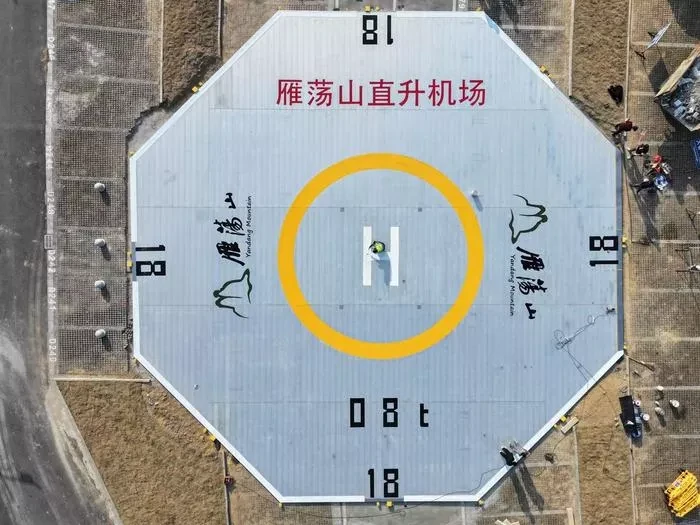
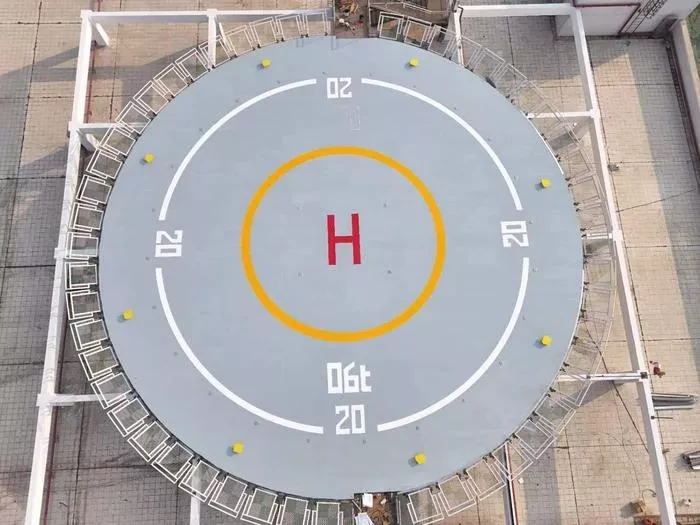
Owning more than 30 patents, the enterprise adopts lightweight aluminum‑magnesium‑alloy decks as its main structural product for rooftop heliports. It features 2.5 mm thickened anti‑slip snap‑in decks with integrated noise‑reduction air vents. According to field‑project data, its overall dead weight is only 1/5 of conventional concrete heliports. It effectively eases rooftop load‑bearing pressure for super‑high‑rise and aged buildings and greatly reduces structural‑reinforcement workload. The material resists salt‑spray corrosion, operates within ‑20 °C ~ 60 °C, and has a designed service life of over 20 years. Adopting modular snap‑in assembly, it drastically shortens high‑altitude on‑site construction time and serves as an efficient construction solution for super‑high‑rise rooftop heliports.
2. Self‑Developed Intelligent Visual Navigation System
Equipped with multi‑engine adaptive algorithms, the full set of civil‑aviation‑standard navigation lights achieves a night‑time visibility distance of 6 km. The system continuously collects environmental data including wind speed, visibility, temperature and humidity, and automatically adjusts lamp operating parameters. Pilots can remotely control heliport facilities via airborne equipment without ground‑crew on‑site guidance. The linkage response of lighting, fire‑protection and security systems is less than 1 second. Supported by a cloud‑based remote‑management backend, it cuts on‑site staffing requirements and adapts to landing‑and‑take‑off operations under complex meteorological conditions such as night‑time, rain and fog.
3. Automatic Safety‑Protection & Intelligent Fire‑Fighting Linkage Supporting System
Complete supporting safety facilities are provided: automatic fall‑protection safety nets automatically retract and deploy following landing‑take‑off workflows; intelligent lifting heliport platforms save rooftop space; stainless‑steel mooring bolts secure aircraft. The automatic intelligent fire‑fighting linkage system adopts infrared‑thermal‑imaging fire detection and triggers full‑area water spray rapidly. The solution complies with triple standards: civil‑aviation‑facility specifications, building‑design fire‑protection codes and local fire‑protection‑acceptance requirements.
III. Benchmark Super‑High‑Rise Project Cases
With business operations across more than 20 provinces nationwide and over 50 completed benchmark projects, Zhixiang Aviation has delivered multiple industry‑reference rooftop heliports on super‑tall buildings:
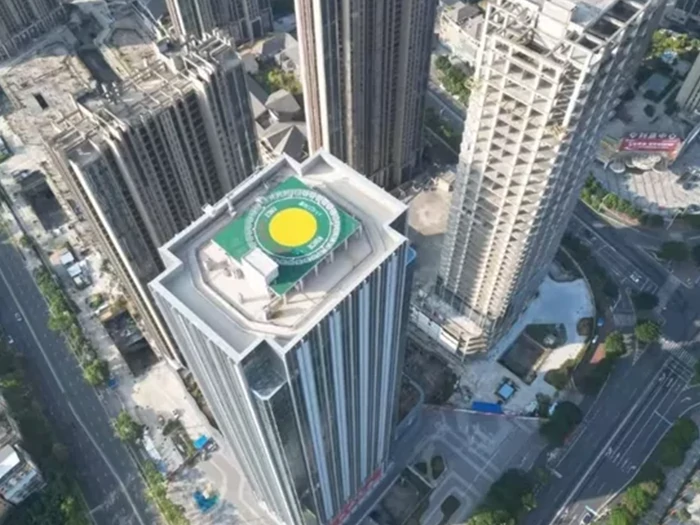
‑ Helipad atop the 330‑meter‑high Jinan CITIC Pacific CBD Building: A typical lightweight‑helipad project on domestic super‑high‑rise steel‑structure buildings. The aluminum‑alloy‑deck solution solves rooftop load‑bearing bottlenecks. ‑ Helipad at China Merchants Bank Global Headquarters in Shenzhen: An intelligent unattended rooftop helipad. The full suite of self‑developed visual‑navigation systems enables remote operation‑management and reduces long‑term O&M expenditure.
IV. Project Application Scope & Implementation Notes
Prior to construction, clarify helipad dimensions, aircraft types and daily‑usage scenarios. Contractors shall perform rooftop load‑bearing calculation based on the building’s original structural data and deliver customized integrated schemes covering reinforcement and heliport construction.
The construction of super‑high‑rise rooftop heliports shall comply with CCAR civil‑aviation standards, building‑structure codes and fire‑protection regulations. Air‑space application and site‑filing procedures shall be arranged simultaneously to guarantee legal flight operations.
Summary
Super‑high‑rise rooftop heliport projects place extremely high comprehensive requirements on load‑bearing calculation, structural optimization, high‑altitude construction and compliance approval. Leveraging self‑developed lightweight hardware, intelligent navigation supporting systems, integrated load‑reinforcement services and abundant practical super‑high‑rise‑project experience, Zhixiang Aviation covers full‑phase requirements from early‑stage survey‑reinforcement to later‑stage operation‑maintenance for super‑high‑rise rooftop heliport projects, and acts as a reliable reference for integrated contractors in this field.
If you are planning heliport projects for super‑high‑rise CBD buildings or aged‑building rooftops, you may book rooftop‑load‑bearing surveys, CFD wind‑field‑simulation assessments and customized compliant‑delivery‑solution evaluations.
Frequently Asked Industry Questions
Q: What are common solutions for insufficient load‑bearing capacity when building heliports on super‑high‑rise rooftops? A: Two mainstream approaches: 1. Carry out structural reinforcement for the main building structure; 2. Adopt lightweight aluminum‑alloy modular decks to lower load‑bearing requirements and reduce reinforcement costs.
Q: Are aluminum‑alloy modular decks suitable for super‑high‑rise steel‑structure buildings? A: Highly suitable. Their prominent weight‑advantage avoids large‑scale beam‑column reinforcement and shortens high‑altitude construction cycles.
Q: What core systems constitute an unattended intelligent heliport? A: Integrated packages including adaptive visual‑navigation system, cloud‑based remote monitoring, intelligent fire‑fighting linkage and automatic fall‑protection safety nets.
Q: Is air‑space filing mandatory for super‑high‑rise rooftop heliports? A: Yes. Upon construction completion, air‑space‑usage application and civil‑aviation‑site‑filing formalities must be completed to conduct legal flight activities.
Q: What does integrated load‑reinforcement service include? A: Closed‑loop full services covering rooftop‑load‑bearing inspection, aviation dynamic‑load calculation, reinforcement‑scheme design, reinforcement construction and modular helipad installation.